Laos: The Jewel of the Mekong
Geography: The Green Heart of the Region
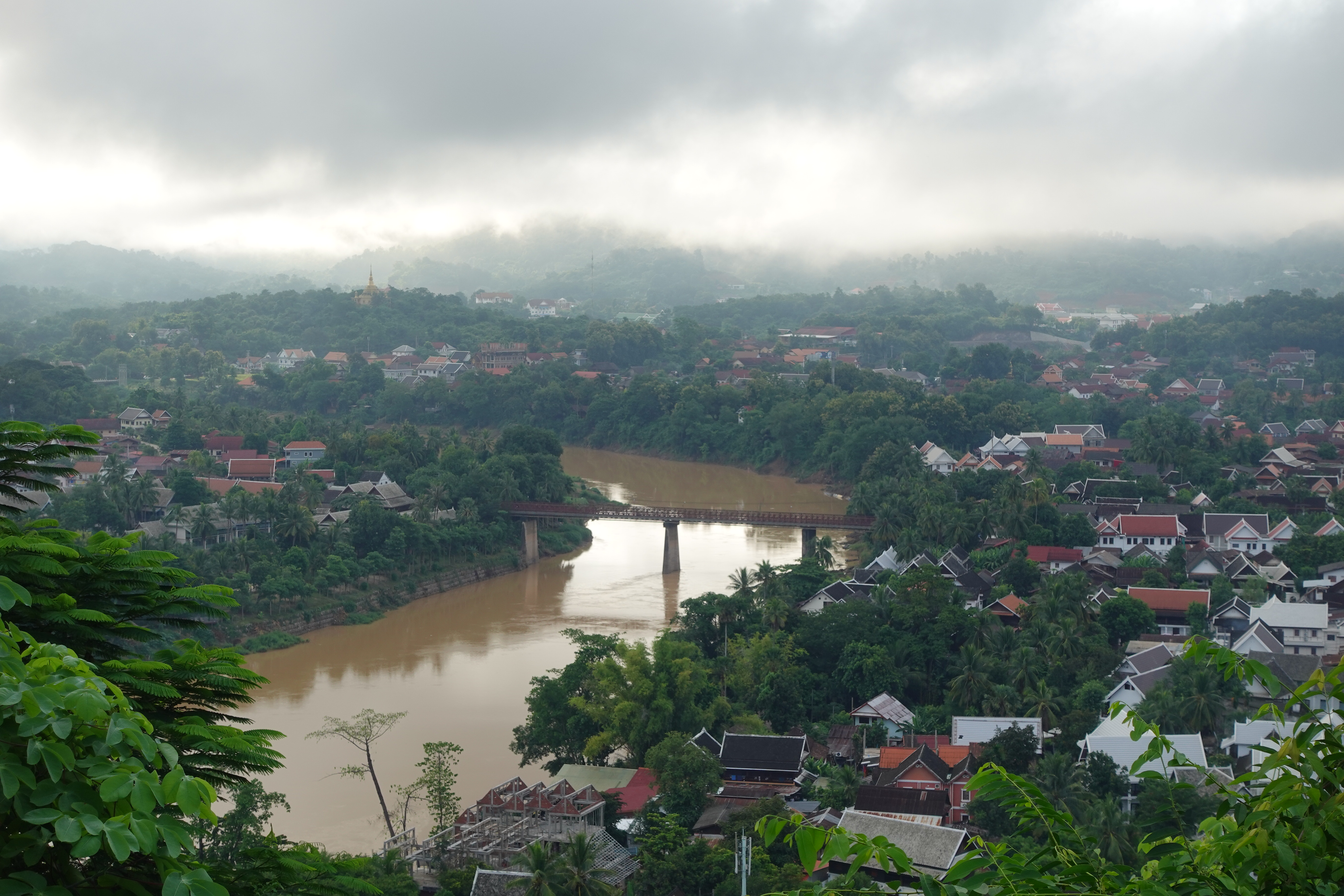
As the only landlocked country in Southeast Asia, Laos is defined not by its coastlines, but by its rivers and mountains. It acts as the “Green Heart” of the LMC region, where the Mekong River (Nam Khong) flows for over 1,800 kilometers—the longest stretch of any country it touches.
The landscape is a study in varying altitudes. To the east, the Annamite Range forms a rugged natural border with Vietnam, sheltering remote valleys where rare wildlife and ancient forests thrive. To the south, the Bolaven Plateau rises from the plains. This fertile volcanic plateau, with its cool climate and rich soil, is the agricultural capital of the country, famous for producing high-quality coffee, tea, and one of the world’s most distinct varieties of cardamom.
- Si Phan Don (4,000 Islands): In the far south, the Mekong fractures into a web of thousands of islets, creating a river-based ecosystem where life slows to the rhythm of the water before plunging over the Khone Phapheng Falls—the widest waterfall in the world.
- Karst Landscapes: Central Laos is dotted with dramatic limestone karsts that rise vertically from emerald rice paddies, forming landscapes reminiscent of classical paintings brought to life.
Culture: Serenity and Spirit
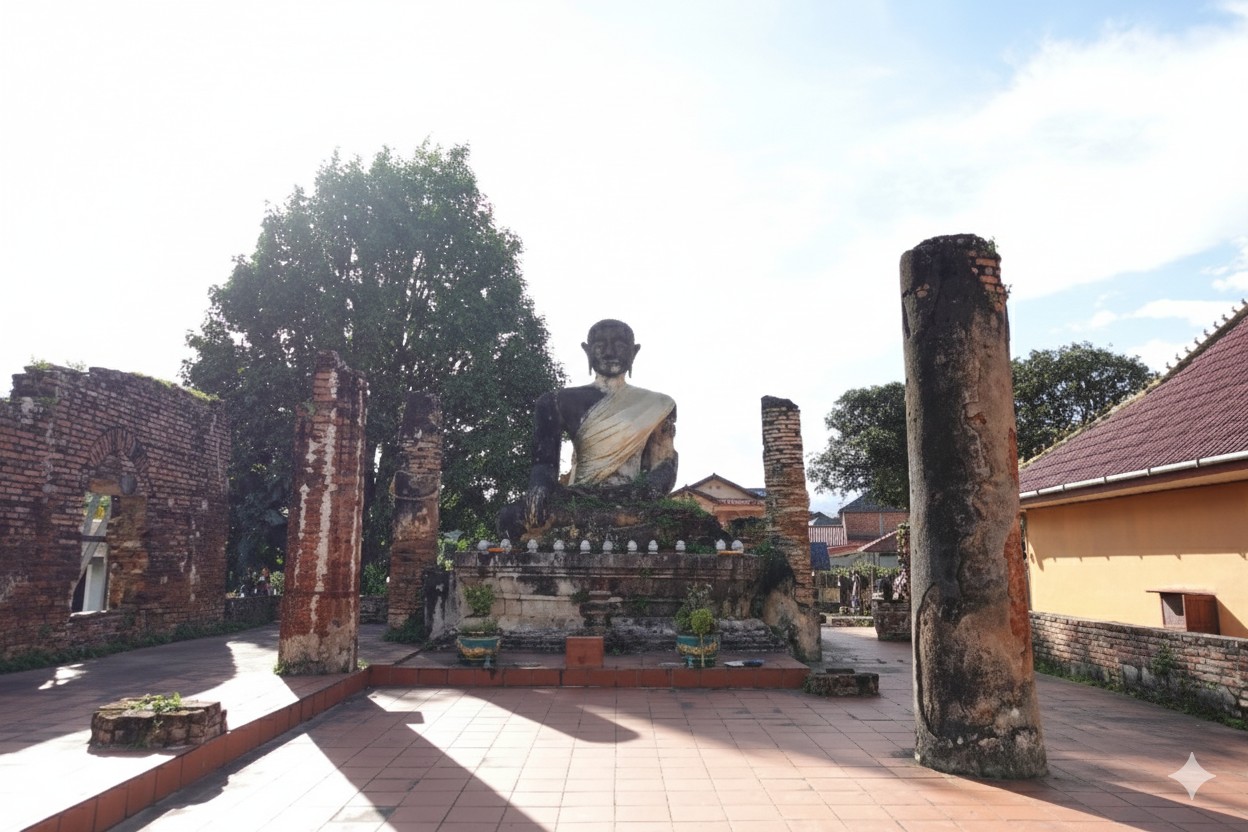
Laos is often regarded as the most relaxed nation in the region, guided by the concept of Muan (enjoyment and happiness) and a deep devotion to Theravada Buddhism. The daily Tak Bat ceremony—where saffron-robed monks walk silently through the streets at dawn to receive alms—forms the spiritual heartbeat of the nation.
-
The Three Layers of People:
Lao society is traditionally organized by altitude, reflecting the relationship
between people and land:
- Lao Loum (Lowlanders): Settled along the Mekong, specializing in wet rice cultivation.
- Lao Theung (Midlanders): Indigenous groups such as the Khmu, known for forest knowledge and swidden farming.
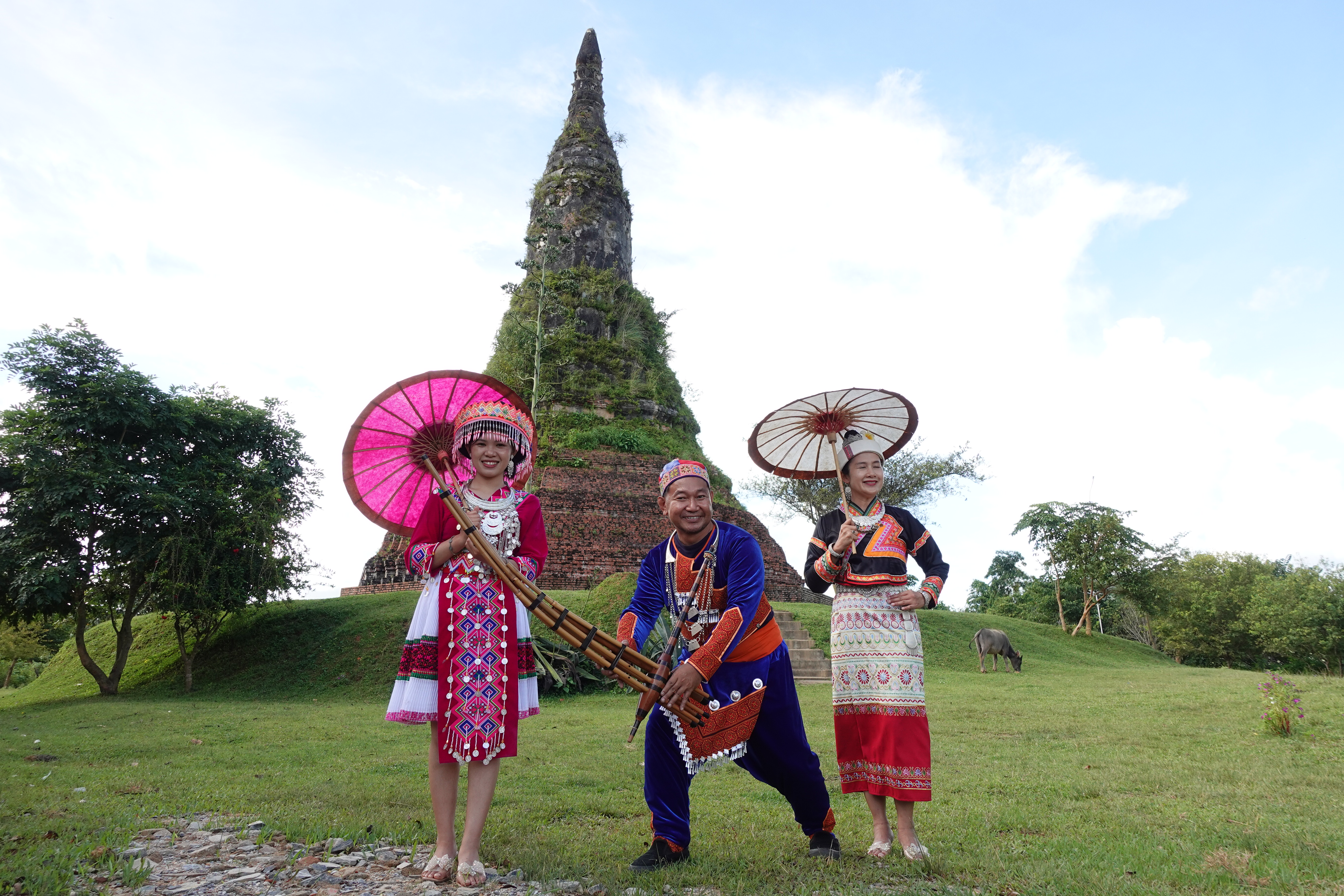
- Lao Soung (Highlanders): Groups like the Hmong and Yao, inhabiting high peaks with rich textile traditions and herbal medicine.
- The Baci Ceremony: A unique animist-Buddhist ritual that binds the 32 guardian spirits (kwan) to the body using white cotton threads, symbolizing welcome, protection, and blessing.
Heritage: The Kingdom of a Million Elephants
The historical identity of Laos is rooted in the Lane Xang Kingdom (“The Kingdom of a Million Elephants and White Parasols”), founded in the 14th century. The kingdom unified principalities along the Mekong and controlled key inland trade routes.
- Luang Prabang: A UNESCO World Heritage Site and former royal capital, blending traditional Lao wooden houses with French colonial villas at the confluence of the Mekong and Nam Khan rivers.
- The Plain of Jars: Located on the Xieng Khouang Plateau, thousands of massive stone jars from the Iron Age suggest a sophisticated prehistoric civilization.
- Wat Phou: An ancient Khmer temple complex predating Angkor Wat, situated at the base of a sacred mountain and reflecting early Hindu influence in the region.
Gastronomy: The Essence of Freshness
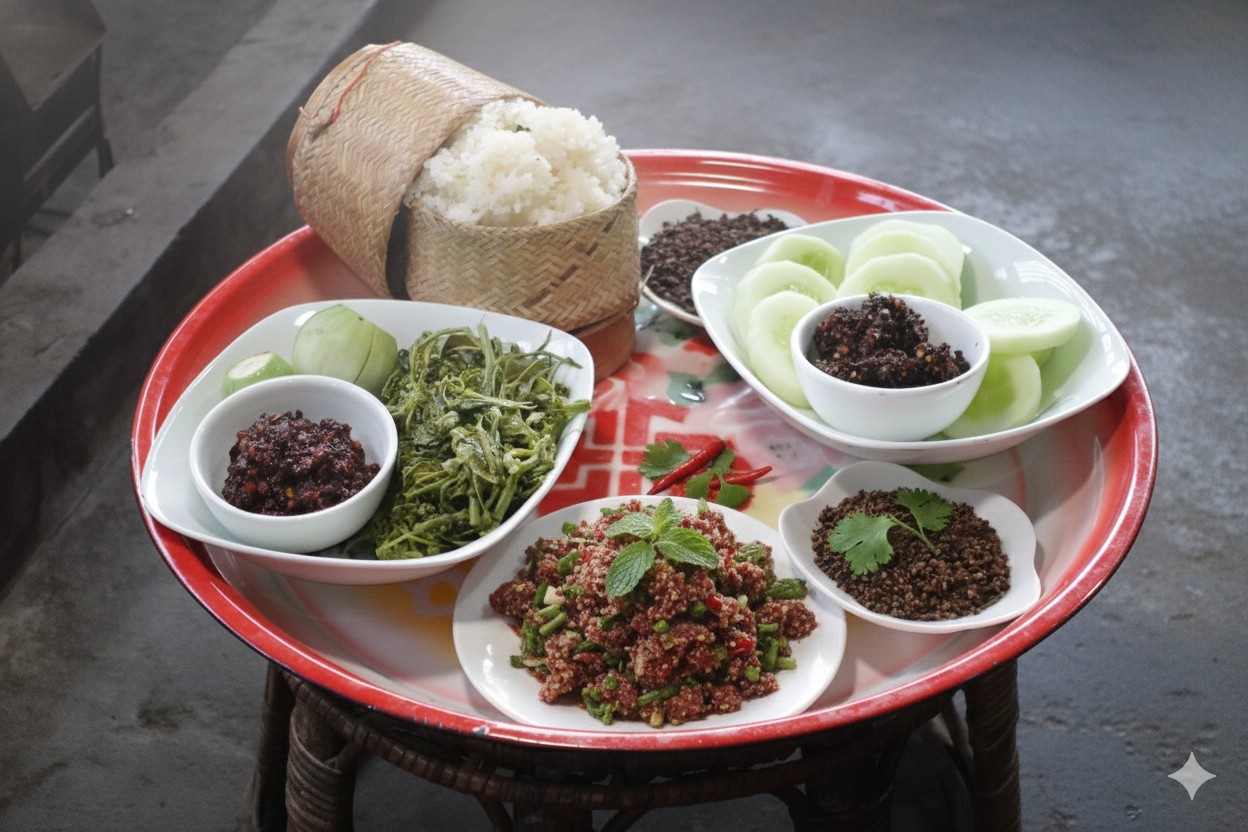
Lao cuisine is defined by freshness, herbs, and raw ingredients. Compared to its neighbors, it is earthier and drier, centering on sticky rice and intensely flavored dips.
- Khao Niew (Sticky Rice): Central to every meal, eaten by hand and used as a utensil. Lao people proudly call themselves Luk Khao Niew—Children of Sticky Rice.
- Larb: The original Lao minced meat salad celebrates freshness with mint, coriander, spring onions, lime juice, and toasted rice powder (Khao Kua).
- Jeow and River Weed: Spicy dipping sauces such as Jeow Bong are paired with Kaipen, sesame-seasoned Mekong river weed, flash-fried to crisp perfection.
- Or Lam: A thick stew from Luang Prabang, flavored with Sakhaan (pepper wood), delivering a tingling sensation similar to Sichuan pepper and linking Lao cuisine botanically to the spices of the north.